

"They delayed it as long as possible": Head of Rosselkhoznadzor on restrictions on product imports from Armenia
12.06.2026,
11:29
The introduction of restrictions for Armenia was delayed as long as possible, stated Sergei Dankvert, head of Rosselkhoznadzor.
YEREVAN, June 12. /ARKA/. The introduction of restrictions for Armenia was delayed as long as possible, stated Sergei Dankvert, head of Rosselkhoznadzor.
"The restrictions we've introduced now could have been introduced long ago. We simply tried not to formalize this work, but rather to identify the causes of these violations. As a result, we concluded that Armenia's food service itself is working quite effectively. The problem is that they have a large number of farmers who are not organized into any farmer associations. Therefore, they lack production control," Dankvert noted in an interview with TASS, responding to a question about introducing other import restrictions beyond those already in place.
He expressed regret that the Armenian Ministry of Economy has never contacted Rosselkhoznadzor. "They believe this is a problem for their food service, but it's wrong to shift responsibility to them. If the ministry doesn't fulfill its responsibilities, it's impossible to ensure the safety of the products supplied; something will always be found," Dankvert said, adding that numerous letters with recommendations have been sent to the agency.
Regarding which other Armenian products may be subject to restrictions, the head of the Russian regulator stated that products entering the Russian market are currently being monitored monthly.
"We monitor and analyze. If there is an increase in violations identified for a particular product over the course of a month, our colleagues enter into negotiations," Dankvert noted.
Restrictions on the import of products from Armenia to Russia
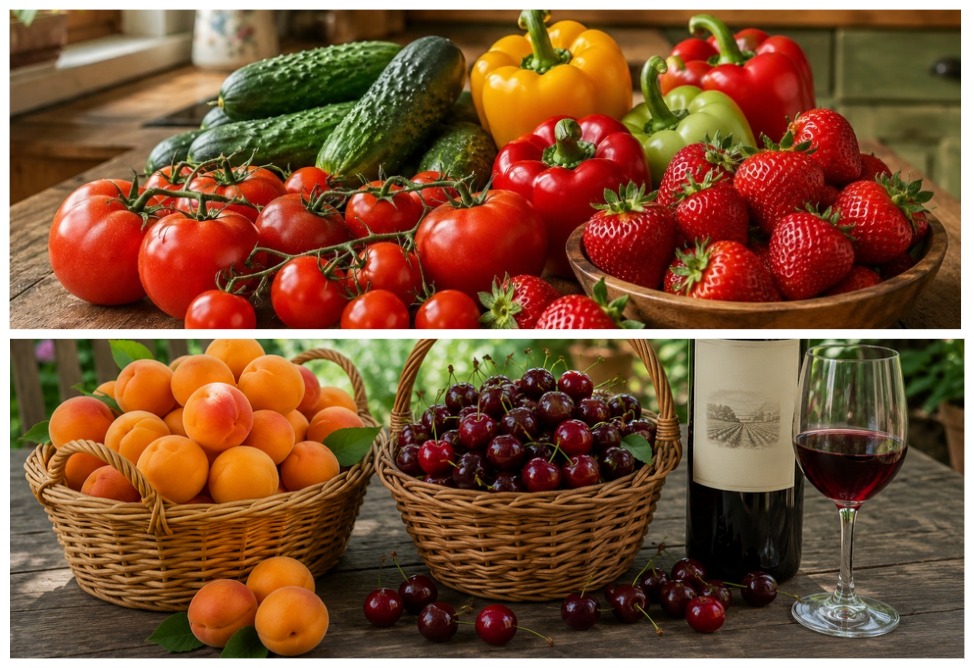
Rosselkhoznadzor has imposed temporary restrictions on the import of a number of products from Armenia, citing "increased violations of phytosanitary requirements of the Eurasian Economic Union and Russia" as the reason. Restrictions applied to flowers and food products starting May 22; fresh tomatoes, cucumbers, peppers, greens, and strawberries starting May 30; fresh grapes and stone fruits (cherries, sweet cherries, apricots, plums, peaches, and nectarines) starting June 2; and pome fruits, eggplants, potatoes, and dried fruits starting June 3.
Rosselkhoznadzor also stated that, starting June 2, Armenia must suspend veterinary certification of live fish and fish products from all Armenian companies to Russian recipients, with the exception of two enterprises that passed inspection. In addition, Rospotrebnadzor suspended the import and circulation in Russia of all batches of Jermuk mineral water from Armenia, as well as wine and cognac from three Armenian producers.
Rosselkhoznadzor also announced that, starting June 12, 2026, it plans to restrict the import of all quarantine products originating and shipped from Armenia, as well as transit through Russia to EAEU member states.
"The restrictions we've introduced now could have been introduced long ago. We simply tried not to formalize this work, but rather to identify the causes of these violations. As a result, we concluded that Armenia's food service itself is working quite effectively. The problem is that they have a large number of farmers who are not organized into any farmer associations. Therefore, they lack production control," Dankvert noted in an interview with TASS, responding to a question about introducing other import restrictions beyond those already in place.
He expressed regret that the Armenian Ministry of Economy has never contacted Rosselkhoznadzor. "They believe this is a problem for their food service, but it's wrong to shift responsibility to them. If the ministry doesn't fulfill its responsibilities, it's impossible to ensure the safety of the products supplied; something will always be found," Dankvert said, adding that numerous letters with recommendations have been sent to the agency.
Regarding which other Armenian products may be subject to restrictions, the head of the Russian regulator stated that products entering the Russian market are currently being monitored monthly.
"We monitor and analyze. If there is an increase in violations identified for a particular product over the course of a month, our colleagues enter into negotiations," Dankvert noted.
Restrictions on the import of products from Armenia to Russia
Rosselkhoznadzor has imposed temporary restrictions on the import of a number of products from Armenia, citing "increased violations of phytosanitary requirements of the Eurasian Economic Union and Russia" as the reason. Restrictions applied to flowers and food products starting May 22; fresh tomatoes, cucumbers, peppers, greens, and strawberries starting May 30; fresh grapes and stone fruits (cherries, sweet cherries, apricots, plums, peaches, and nectarines) starting June 2; and pome fruits, eggplants, potatoes, and dried fruits starting June 3.
Rosselkhoznadzor also stated that, starting June 2, Armenia must suspend veterinary certification of live fish and fish products from all Armenian companies to Russian recipients, with the exception of two enterprises that passed inspection. In addition, Rospotrebnadzor suspended the import and circulation in Russia of all batches of Jermuk mineral water from Armenia, as well as wine and cognac from three Armenian producers.
Rosselkhoznadzor also announced that, starting June 12, 2026, it plans to restrict the import of all quarantine products originating and shipped from Armenia, as well as transit through Russia to EAEU member states.