

Restrictions on exports to Russia could cost Armenia up to 2% of GDP in a worst-case scenario – Central Bank Board Member
08.07.2026,
19:34
Armen Ktoyan, a member of the Board of the Central Bank of Armenia, analyzed the consequences of restrictions on the export of Armenian agricultural products to Russia.
YEREVAN, July 8. /ARKA/. Armen Ktoyan, a member of the Board of the Central Bank of Armenia, analyzed the consequences of restrictions on the export of Armenian agricultural products to Russia.
Speaking about the possible impact of the restrictions on the country's economy, he noted that much will depend on the duration and scale of the restrictive measures.
"If we assume the most severe scenario, where none of the goods subject to the restrictions are exported to Russia or sold on this market, then, according to our experts' estimates, which were previously voiced by the Chairman of the Central Bank, the maximum impact will be approximately 1.8-2% of GDP," Ktoyan said in an interview with Civilnet.
However, the Central Bank Board member emphasized that this scenario is purely theoretical and represents the most negative scenario.
"In practice, there are many other scenarios. Measures are already being taken to process products within Armenia for subsequent export, and the government has announced mechanisms to support producers. The impact of these measures has not yet been assessed, but they suggest that the actual negative impact will be significantly less," he noted.
Commenting on the potential risks of expanding restrictions to other areas of cooperation between Armenia and Russia, including the financial sector, remittances, and energy, Ktoyan stated that the Central Bank is also analyzing such scenarios.
According to him, the impact of such processes will not necessarily be exclusively negative.
"The same factor can have multidirectional effects. For example, in the financial sector, restrictions on business and investment in Russia could lead to increased capital outflow from that country. Armenia is one potential destination for such capital. Therefore, we view this as a source of risk, but this risk will not necessarily restrain economic activity. On the contrary, there are also factors that could have a stimulating effect on the economy," he said.
On Restrictions on Products from Armenia to the Russian Federation
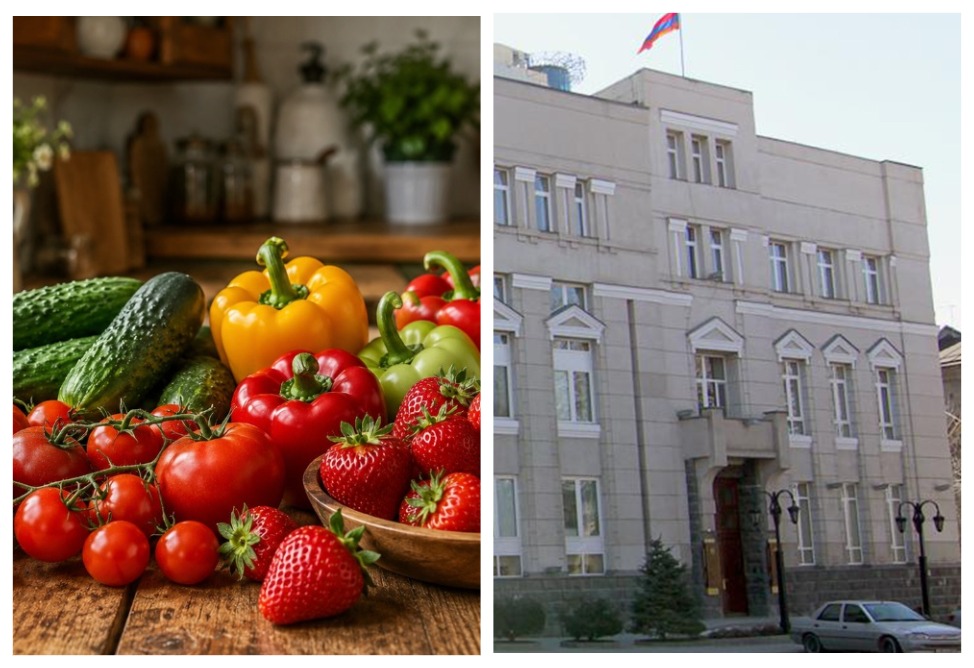
Starting June 12, 2026, Russia has restricted the import of all quarantine products originating and shipped from Armenia, as well as their transit through Russia to EAEU member states. Specifically, the Rosselkhoznadzor restrictions apply to Jermuk mineral water, alcoholic beverages, vegetables, fruits, and herbs.
The agency cited the "systematic detection of quarantine organisms" in plant products and flowers from Armenia as the reason. It is noted that the ban will remain in effect until a specific algorithm for ensuring the safety and traceability of shipped goods is developed.
On Support for Exporters in Armenia
Amid Russian trade restrictions, Armenia has expanded support measures for exporters, particularly to EU countries. The government is compensating transportation costs and customs duties on shipments of fruits, vegetables, and flowers to the EU, the UK, and Canada, and is also providing subsidies for a number of export goods. On July 2, the Armenian government extended the state support program for the export of certain products through July and expanded the list of goods eligible for compensation. Compensation will be provided to exporters of fresh fruits, certain food products, and beverages exported from Armenia during July 2026. New categories have been added to the list of subsidized products: dried fruits and vegetables, as well as trout and sturgeon.
Speaking about the possible impact of the restrictions on the country's economy, he noted that much will depend on the duration and scale of the restrictive measures.
"If we assume the most severe scenario, where none of the goods subject to the restrictions are exported to Russia or sold on this market, then, according to our experts' estimates, which were previously voiced by the Chairman of the Central Bank, the maximum impact will be approximately 1.8-2% of GDP," Ktoyan said in an interview with Civilnet.
However, the Central Bank Board member emphasized that this scenario is purely theoretical and represents the most negative scenario.
"In practice, there are many other scenarios. Measures are already being taken to process products within Armenia for subsequent export, and the government has announced mechanisms to support producers. The impact of these measures has not yet been assessed, but they suggest that the actual negative impact will be significantly less," he noted.
Commenting on the potential risks of expanding restrictions to other areas of cooperation between Armenia and Russia, including the financial sector, remittances, and energy, Ktoyan stated that the Central Bank is also analyzing such scenarios.
According to him, the impact of such processes will not necessarily be exclusively negative.
"The same factor can have multidirectional effects. For example, in the financial sector, restrictions on business and investment in Russia could lead to increased capital outflow from that country. Armenia is one potential destination for such capital. Therefore, we view this as a source of risk, but this risk will not necessarily restrain economic activity. On the contrary, there are also factors that could have a stimulating effect on the economy," he said.
On Restrictions on Products from Armenia to the Russian Federation
Starting June 12, 2026, Russia has restricted the import of all quarantine products originating and shipped from Armenia, as well as their transit through Russia to EAEU member states. Specifically, the Rosselkhoznadzor restrictions apply to Jermuk mineral water, alcoholic beverages, vegetables, fruits, and herbs.
The agency cited the "systematic detection of quarantine organisms" in plant products and flowers from Armenia as the reason. It is noted that the ban will remain in effect until a specific algorithm for ensuring the safety and traceability of shipped goods is developed.
On Support for Exporters in Armenia
Amid Russian trade restrictions, Armenia has expanded support measures for exporters, particularly to EU countries. The government is compensating transportation costs and customs duties on shipments of fruits, vegetables, and flowers to the EU, the UK, and Canada, and is also providing subsidies for a number of export goods. On July 2, the Armenian government extended the state support program for the export of certain products through July and expanded the list of goods eligible for compensation. Compensation will be provided to exporters of fresh fruits, certain food products, and beverages exported from Armenia during July 2026. New categories have been added to the list of subsidized products: dried fruits and vegetables, as well as trout and sturgeon.