


“Our Future” Foundation celebrated 120th anniversary of Avetik Burnazyan: founder of Soviet atomic medicine
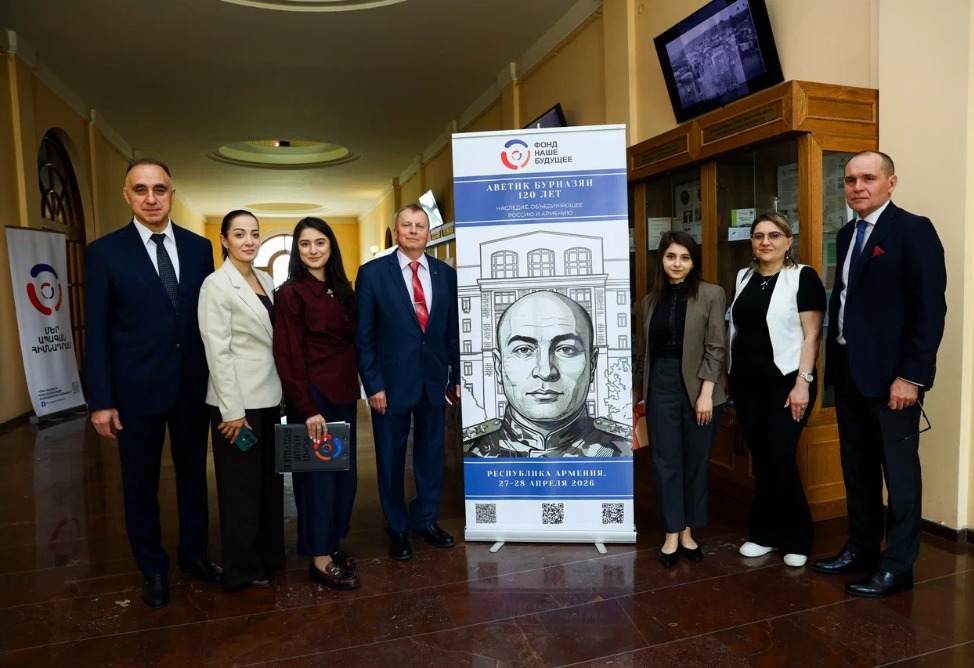
YEREVAN, April 29. /ARKA/. The "Our Future" cultural and educational charitable foundation held a program in Armenia commemorating the 120th anniversary of the birth of Avetik Burnazyan, one of the founders of the USSR's nuclear health system and a key figure in the development of radiation safety.
The events brought together representatives of the scientific, medical, and diplomatic communities of Armenia and Russia, reaffirming the relevance of Burnazyan's legacy as a significant factor in humanitarian and professional interaction.
The anniversary program was held in two stages.
Commemorative Events in Gavar
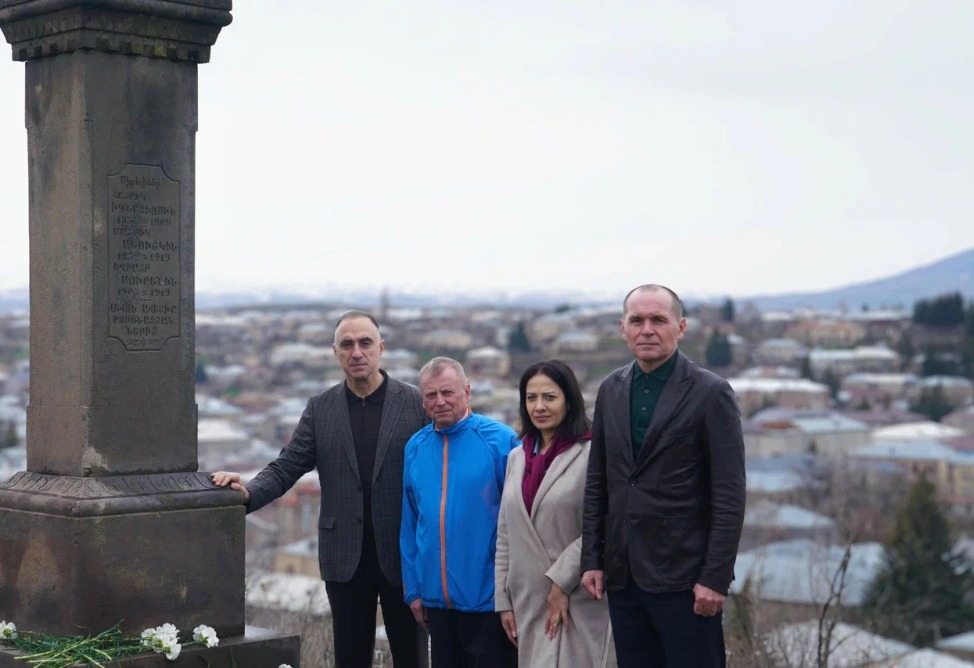
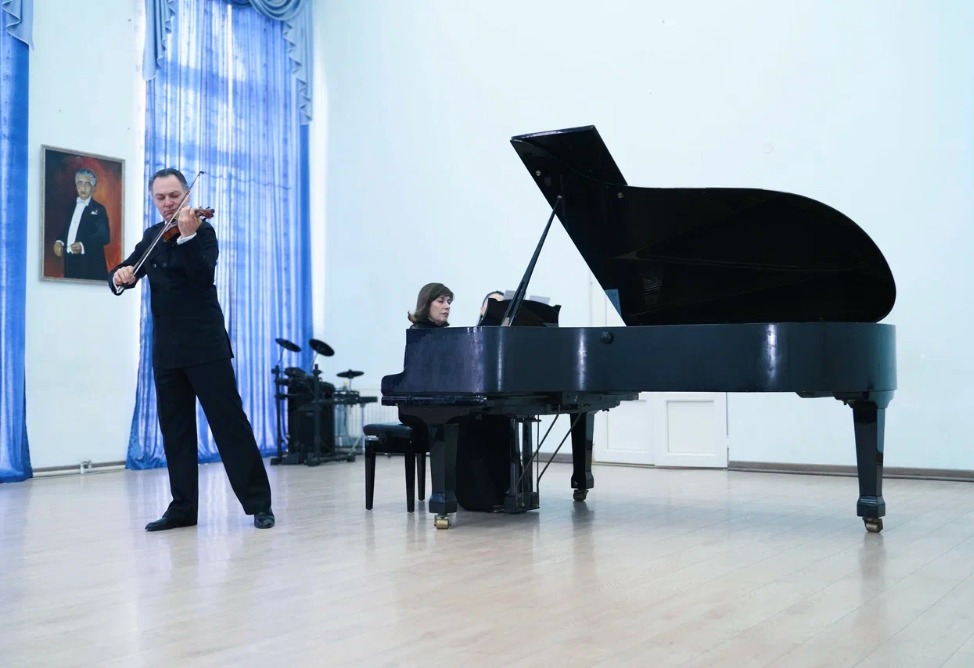
On April 27, commemorative events dedicated to the early years of Avetik Ignatievich Burnazyan's life were held in the city of Gavar in the Gegharkunik Province. The delegation visited the Surb Astvatsatsin Church, where he was baptized, the burial sites of his parents, the school and house associated with his name, and the Gegharkunik Geological Museum. The day ended with a concert entitled “Aram Khachaturian: from ‘Happiness’ to ‘Gayane’.”
Exhibition and Conference in Yerevan
On April 28, the Our Future Foundation organized the key events of the program—the opening of an exhibition and a conference—at the National Academy of Sciences of the Republic of Armenia in Yerevan.
The exhibition, "Avetik Burnazyan – 120 Years: A Legacy Uniting Russia and Armenia," featured archival documents, rare photographs, and materials from Russian and Armenian sources reflecting the scientist's contribution to the development of the nuclear healthcare system.
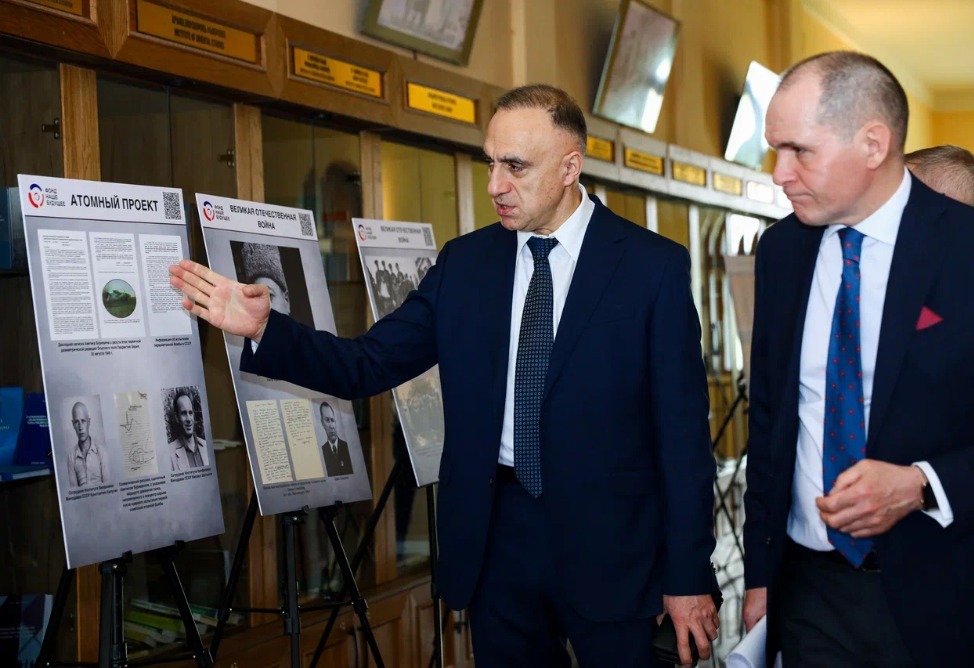
After viewing the exhibition, participants moved on to the conference, which included a discussion of current issues in the development of radiation medicine, nuclear safety, and international scientific cooperation.
"It is a great honor for our Foundation to address the rich legacy of Avetik Burnazyan in the year of his 120th anniversary. Holding these anniversary events in the Republic of Armenia, the scientist's historical homeland, is especially symbolic, lending special significance to the event. The legacy of such individuals has laid a solid foundation for future generations. "The Foundation's goal is not only to preserve this, but also to project it into the future, creating an environment for developing professional dialogue and the formation of new initiatives," emphasized Vahram Karapetyan, CEO of the Our Future Foundation.
An example of professionalism and the significance of Avetik Burnazyan's legacy
Ambassador Extraordinary and Plenipotentiary of the Russian Federation to the Republic of Armenia Sergey Kopyrkin emphasized Avetik Ignatyevich's invaluable contribution to the establishment and development of domestic and global radiation medicine and safety.
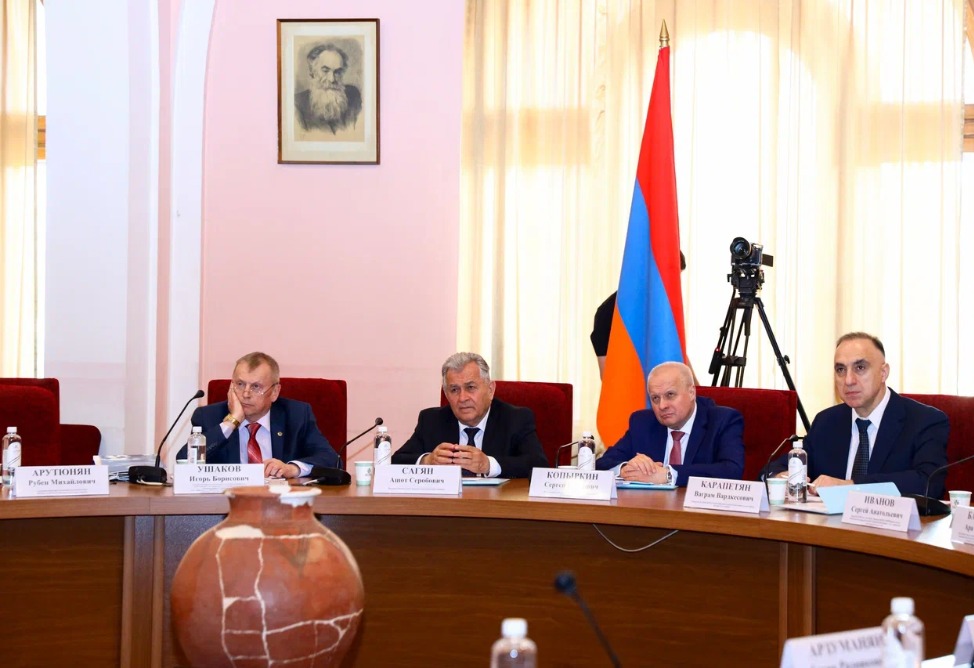
Ashot Sagyan, President of the National Academy of Sciences of the Republic of Armenia, addressed the conference participants, wishing them fruitful work and noting the significance of Avetik Burnazyan's legacy in the context of the development of science and medicine.
The official greeting from the Minister of Health of the Russian Federation, Mikhail Murashko, was delivered by the Director of the M.V. Professor Sergei Ivanov, MD, Corresponding Member of the Russian Academy of Sciences, and Professor A.F. Tsyb of the National Medical Research Center of Radiology, a branch of the Russian Ministry of Health, said, "Avetik Ignatyevich's name is inextricably linked with the development of the military medical service, radiation, and space medicine in the USSR. Thanks to his broad-based thinking, responsibility, and organizational talent, a unified system of medical and sanitary support for nuclear industry personnel was quickly established. He laid a solid foundation for the country's radiation safety, ensuring the creation of a nuclear shield and the development of peaceful nuclear energy."
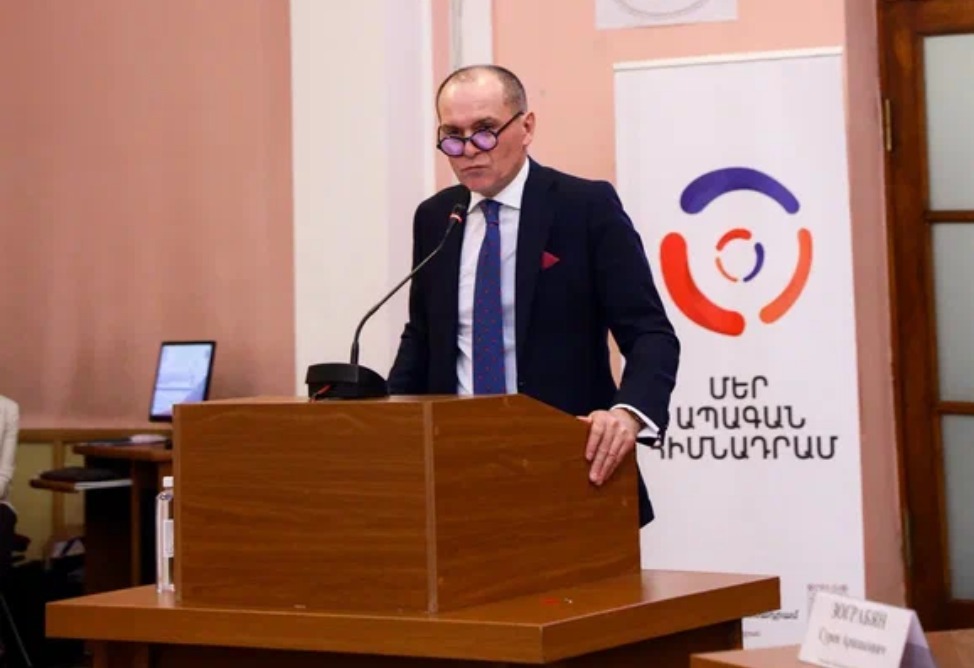
Professor Ara Babloyan, Chairman of the Board of Directors of the Arabkir Medical Complex, noted that the scientist's life exemplifies professionalism and dedication, and his legacy remains a benchmark for the medical community. In this regard, the contribution of the Our Future Foundation and Vahram Karapetyan personally to popularizing the historical memory of our compatriots was emphasized. Leading experts in radiation medicine and science presented insightful reports.
The Talent of an Outstanding Organizer of the Nuclear Healthcare System
"Today, my long-held dream of visiting Armenia has come true, and here I am – in the birthplace of Igor Burnazyan, the outstanding organizer of the Soviet-era nuclear healthcare system," noted Igor Ushakov, Academician of the Russian Academy of Sciences, Chairman of the RAS Scientific Council for Radiobiology, laureate of the USSR Council of Ministers and Russian Government Prizes, Chernobyl disaster liquidator, Doctor of Medical Sciences, Professor, and Senior Researcher at the A. I. Burnazyan Center for Biomedical and Additive Technologies of the Federal Medical and Biophysical Center of the Federal Medical and Biological Agency of Russia.
He noted that it was within the framework of the nuclear project that Burnazyan's unique talent as a scientist was fully revealed – the pinnacle of his scientific and organizational creativity.
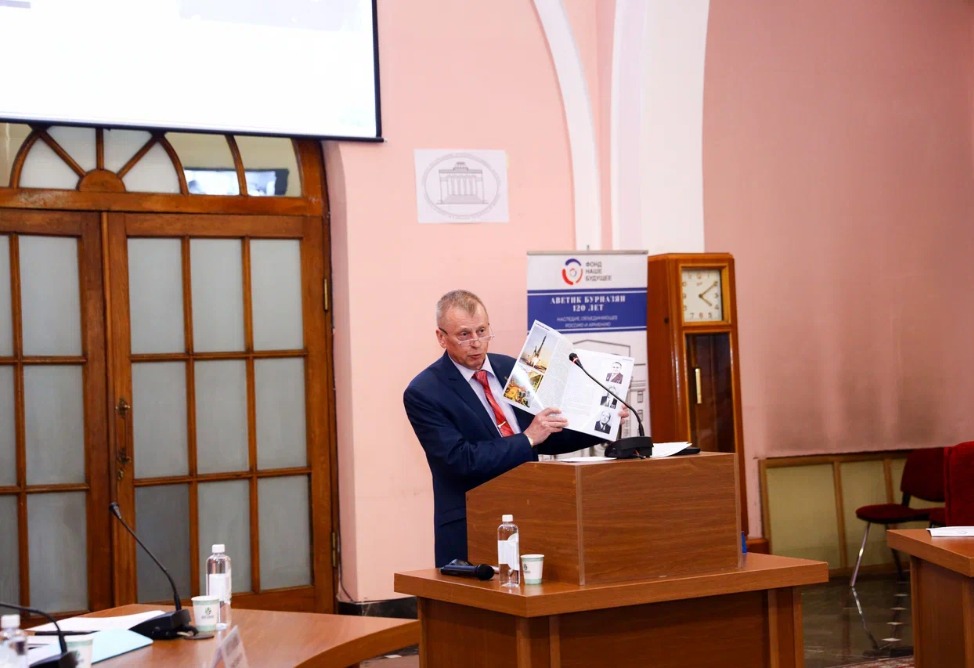
"We know a lot about him, however, as the implemented program has shown, a significant amount of material still requires study and understanding. "In this regard, it is particularly important to recognize the work of the Our Future Foundation, which consistently collects and returns data on Burnazyan's life and work to scientific dissemination," he said, presenting the report "General of Nuclear and Space Medicine. On the 120th Anniversary of A. I. Burnazyan (a review of the collection of the A. I. Burnazyan Federal Medical and Biological Center Museum of the Federal Medical and Biological Agency of Russia)."
Burnazyan's Approaches in Medical Practice
Academician-Secretary of the Department of Natural Sciences of the National Academy of Sciences of the Republic of Armenia Ruben Harutyunyan addressed the participation of Armenian specialists in the aftermath of the Chernobyl accident, emphasizing the close relationship between the A.I. Burnazyan Federal Medical and Biomedical Center.
Particular attention was paid to modern medical practices and the development of oncology care, which are largely based on the scientific and organizational approaches established by Avetik Burnazyan. This was discussed by Alexander Seinyan, Deputy Director of the V.A. Fanarzhyan National Oncology Center, and Sergey Ivanov, Director of the A.F. Tsyb Medical Research Center, a branch of the National Medical Research Center of Radiology of the Ministry of Health of the Russian Federation, MD, Professor, and Corresponding Member of the Russian Academy of Sciences, in their report "Development of the Radiological Service in the Russian Federation: The Case of the National Medical Research Center of Radiology of the Ministry of Health of the Russian Federation." The Image of a Scientist and Statesman
Along with the scholarly appreciation of Avetik Burnazyan's legacy, the conference also focused on his personal life. His relative, Hakob Terzyan, spoke during the program, presenting a series of memoirs that complement the established image of the scientist and statesman.
Young people were also invited to participate in the exhibition and conference.
The events were supported by the Embassy of the Russian Federation in the Republic of Armenia and the National Academy of Sciences of the Republic of Armenia.