


Armenia is readying for a wave of US-led investment that could exceed $13 billion, Bloomberg
13.02.2026,
13:29
Armenia is readying for a wave of US-led investment that could exceed $13 billion, almost half the country’s annual economic output, and weaken its longstanding dependence on Russia, Bloomberg says in a story.
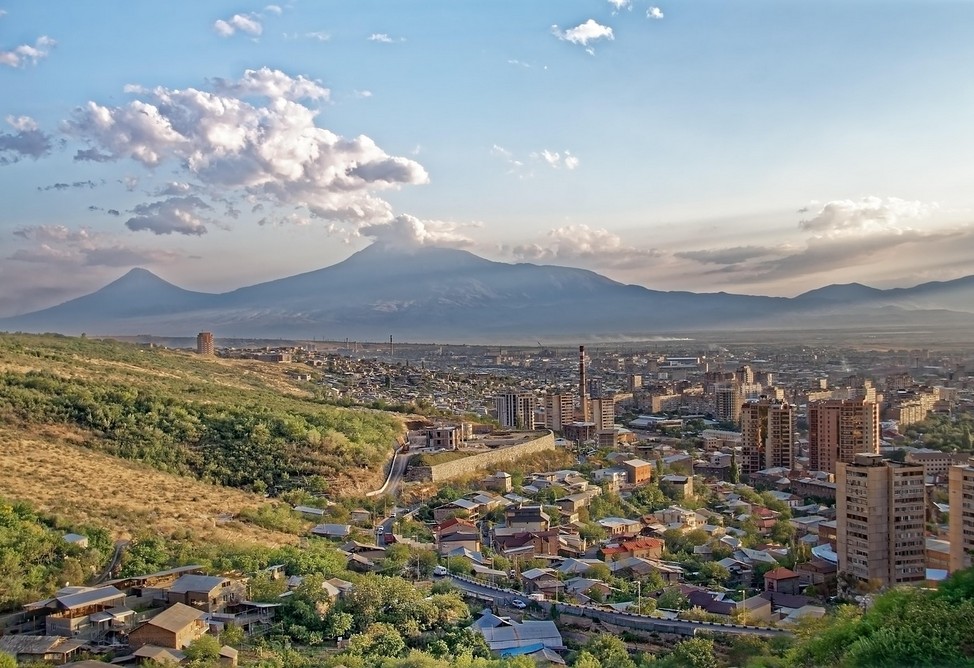
YEREVAN, February 13. /ARКА/. Armenia is readying for a wave of US-led investment that could exceed $13 billion, almost half the country’s annual economic output, and weaken its longstanding dependence on Russia, Bloomberg says in a story.
It says US Vice President JD Vance’s visit to Armenia this week, where he signed a civil nuclear partnership worth as much as $9 billion, signaled a potentially dramatic deepening of Washington’s ties with the tiny former Soviet republic. A separate $4 billion expansion of an artificial intelligence project may also help transform prospects for Armenia’s $27 billion economy.
“The numbers themselves are quite significant,” said Dmitry Dolgin, ING Bank’s chief CIS economist. “If these initiatives gain credibility and provide a sense of longer-term stability, that could increase Armenia’s attractiveness for portfolio flows, direct investment and even remittances.”
The deals with Armenia and Vance’s visit to neighboring Azerbaijan the next day underscored an intensifying geopolitical contest for influence in the Caucasus region, a vital trade and energy corridor linking China to Europe via central Asia that has been firmly in Moscow’s backyard for decades.
They came after US President Donald Trump hosted Armenian Prime Minister Nikol Pashinyan and Azerbaijani leader Ilham Aliyev at the White House in August to sign a preliminary peace deal ending decades of conflict over the territory of Nagorno-Karabakh. That accord includes a plan to open the Trump Route for International Peace and Prosperity, a transport corridor linking Azerbaijan to its Naxcivan exclave across Armenia.
Turkey, which has a defense pact with Azerbaijan, is moving to open its border with Armenia that’s been closed since 1993 and establish diplomatic relations for the first time since the Soviet Union’s collapse. The European Union is also bolstering ties with Armenia, which has announced plans to seek eventual EU membership even as it’s currently part of a Russian-led customs bloc.
The yield on Armenia’s dollar bond due 2031 dropped 4 basis points on Thursday, declining to its lowest level in about three months, according to data compiled by Bloomberg.
The nuclear cooperation accord provides the legal framework for US firms to export atomic technology to Armenia and compete to replace the Soviet-era Metsamor nuclear plant, which supplies about 40% of the electricity to the country of about 3 million people.
Metsamor is operated by Russia’s state-owned Rosatom Corp. which supplies the nuclear fuel for the plant. Ahead of Vance’s visit, Rosatom officials met Armenian leaders in Moscow, offering what they described as “comprehensive cooperation” on new nuclear capacity.
The AI project, developed in a partnership between US-registered Firebird Inc. and Nvidia Corp., will expand to roughly 50,000 GPUs by the end of 2026, using the chipmaker’s next-generation GB300 systems. Firebird, founded by Armenian entrepreneurs, plans to direct most of the computing capacity to global clients, positioning Armenia as a competitive AI-export platform.
The investment announcements provide a boost to Pashinyan ahead of Armenian parliamentary elections on June 7. He’s due to host dozens of political leaders in Yerevan at the European Political Community summit in May.
Taken together, the potential $13 billion projects dwarf previous foreign investments in Armenia. They pave the way for the government’s ambition of anchoring US capital and technology in key sectors, even if the sums don’t fully materialize.
“When companies are deciding to invest billions of dollars in Armenia, it creates ideas for others as well,” Firebird’s co-founder Alexander Yesayan said. “Many people knew Armenia, but they weren’t thinking about investments of this size. This changes that.”-0-
It says US Vice President JD Vance’s visit to Armenia this week, where he signed a civil nuclear partnership worth as much as $9 billion, signaled a potentially dramatic deepening of Washington’s ties with the tiny former Soviet republic. A separate $4 billion expansion of an artificial intelligence project may also help transform prospects for Armenia’s $27 billion economy.
“The numbers themselves are quite significant,” said Dmitry Dolgin, ING Bank’s chief CIS economist. “If these initiatives gain credibility and provide a sense of longer-term stability, that could increase Armenia’s attractiveness for portfolio flows, direct investment and even remittances.”
The deals with Armenia and Vance’s visit to neighboring Azerbaijan the next day underscored an intensifying geopolitical contest for influence in the Caucasus region, a vital trade and energy corridor linking China to Europe via central Asia that has been firmly in Moscow’s backyard for decades.
They came after US President Donald Trump hosted Armenian Prime Minister Nikol Pashinyan and Azerbaijani leader Ilham Aliyev at the White House in August to sign a preliminary peace deal ending decades of conflict over the territory of Nagorno-Karabakh. That accord includes a plan to open the Trump Route for International Peace and Prosperity, a transport corridor linking Azerbaijan to its Naxcivan exclave across Armenia.
Turkey, which has a defense pact with Azerbaijan, is moving to open its border with Armenia that’s been closed since 1993 and establish diplomatic relations for the first time since the Soviet Union’s collapse. The European Union is also bolstering ties with Armenia, which has announced plans to seek eventual EU membership even as it’s currently part of a Russian-led customs bloc.
The yield on Armenia’s dollar bond due 2031 dropped 4 basis points on Thursday, declining to its lowest level in about three months, according to data compiled by Bloomberg.
The nuclear cooperation accord provides the legal framework for US firms to export atomic technology to Armenia and compete to replace the Soviet-era Metsamor nuclear plant, which supplies about 40% of the electricity to the country of about 3 million people.
Metsamor is operated by Russia’s state-owned Rosatom Corp. which supplies the nuclear fuel for the plant. Ahead of Vance’s visit, Rosatom officials met Armenian leaders in Moscow, offering what they described as “comprehensive cooperation” on new nuclear capacity.
The AI project, developed in a partnership between US-registered Firebird Inc. and Nvidia Corp., will expand to roughly 50,000 GPUs by the end of 2026, using the chipmaker’s next-generation GB300 systems. Firebird, founded by Armenian entrepreneurs, plans to direct most of the computing capacity to global clients, positioning Armenia as a competitive AI-export platform.
The investment announcements provide a boost to Pashinyan ahead of Armenian parliamentary elections on June 7. He’s due to host dozens of political leaders in Yerevan at the European Political Community summit in May.
Taken together, the potential $13 billion projects dwarf previous foreign investments in Armenia. They pave the way for the government’s ambition of anchoring US capital and technology in key sectors, even if the sums don’t fully materialize.
“When companies are deciding to invest billions of dollars in Armenia, it creates ideas for others as well,” Firebird’s co-founder Alexander Yesayan said. “Many people knew Armenia, but they weren’t thinking about investments of this size. This changes that.”-0-