

Nobel laureate Daron Acemoglu: The AI era creates opportunities for Armenia
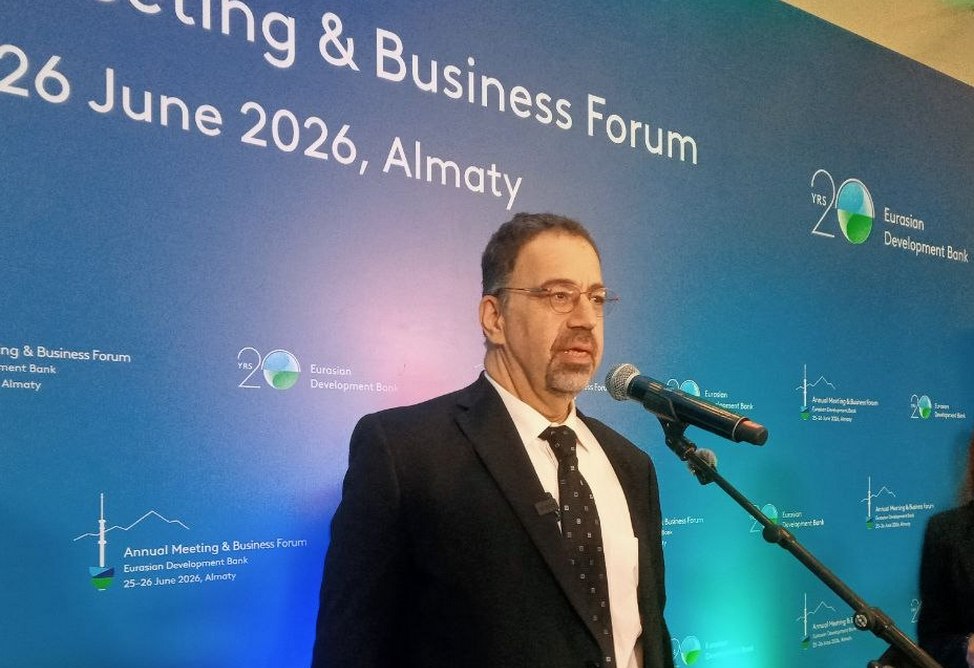
YEREVAN, August 25. /ARKA/. Nobel Prize-winning economist Daron Acemoglu thinks the era of artificial intelligence offers opportunities for Armenia thanks to the country's accumulated human capital and technical expertise. The economist stated this in a new interview with Conversations with Tyler.
"Armenia needs to find a way to utilize its talent. I think the AI era really creates opportunities for Armenia. There are a lot of interesting things happening there," Acemoglu said.
At the same time, he noted that the country's technological opportunities remain amid significant geopolitical and infrastructural constraints.
A Strong Start That Failed to Fully Realize
Conversations with Tyler host and economist Tyler Cowen asked Acemoglu if he was optimistic about Armenia's future given its geographic location and the historical influence of its large neighbors.
Acemoglu began his answer by mentioning his Armenian heritage and noted that he closely follows developments in Armenia.
According to him, after gaining independence, the country, in many respects, appeared one of the most promising among the former Soviet republics.
Acemoglu linked this primarily to human capital. During Soviet times, Armenia was a center of education, technical expertise, and engineering skills, he noted.
However, Acemoglu was critical of the country's subsequent economic performance.
"Armenia has truly disappointed. It has performed below its potential," the economist said.
He also stated that the country had a good start in building democracy, but subsequently lost some of its initial achievements. However, he noted that Armenia has maintained its focus on human capital.
Geopolitics and transportation remain serious constraints.
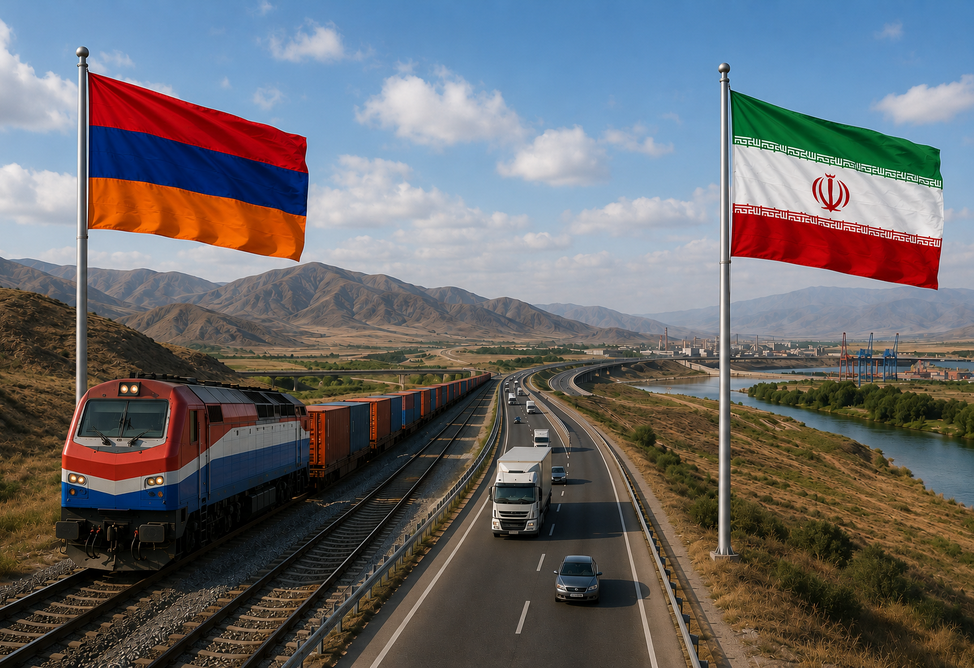
Acemoglu cited Armenia's complex geopolitical location as one of the main obstacles to its development, mentioning Russia, Turkey, and Azerbaijan.
He also noted that Armenia is landlocked. Separately, the economist mentioned the potential for expanding trade and other ties between Armenia and Turkey.
Acemoglu also noted transport restrictions, which are complicating the country's development of a traditional export model.
He then moved on to the topic of human capital and artificial intelligence.
He thinks Armenia needs to find a way to more effectively utilize its existing knowledge and talent, and the new technological cycle could open up additional opportunities for this.
However, in the interview, the economist himself does not propose a specific program for developing Armenia's AI sector or name any specific Armenian companies or projects.
Acemoglu Revises AI Estimates, but Remains Cautious
A significant portion of the interview is devoted to artificial intelligence and its impact on the economy.
Acemoglu is known for his cautious estimates of the future economic impact of AI. In a new interview, he acknowledged that AI models have developed faster than he estimated several years ago.
When asked by Cowen whether he would change his previous estimates of AI's impact on productivity today, Acemoglu answered affirmatively.
He said he would slightly increase his previous quantitative estimates of AI's economic impact today, but would not revise them radically.
The economist emphasized that AI models themselves are improving rapidly, but the practical applications needed for widespread adoption of these technologies in the economy are still developing much more slowly.
He also reiterated his opposition to the approach that places the primary goal of AI development on the maximum automation of human labor.
AI should enhance workers, not just replace them.
Acemoglu believes that so-called pro-worker AI—artificial intelligence that enables people to perform new and more complex tasks, expanding their knowledge and problem-solving capabilities—is more promising.
He cited nurses, journalists, and electricians as examples, whose capabilities could be expanded by new AI tools.
Acemoglu emphasized that he is not proposing the creation of a regulator that would only permit such AI systems. He believes that changing approaches should begin, among other things, with the goals set by tech entrepreneurs and companies.
Speaking about Armenia, Acemoglu specifically noted the ongoing geopolitical risks.
"Geopolitics is indeed very risky," he said.
The interview was recorded on July 15 and published on August 12, 2026. It is timed, among other things, to coincide with the release of Acemoglu's new book, "What Happened to Liberal Democracy?", which examines the causes of the crisis of liberal democracy and possible avenues for its renewal.
Daron Acemoglu is a professor at the Massachusetts Institute of Technology (MIT). In 2024, he, along with Simon Johnson and James Robinson, received the Sveriges Riksbank Prize in Economic Sciences in Memory of Alfred Nobel for their research on how institutions are formed and how they influence well-being.