


Trump: Tariffs helped end 8 wars, including conflict between Armenia and Azerbaijan
25.02.2026,
11:12
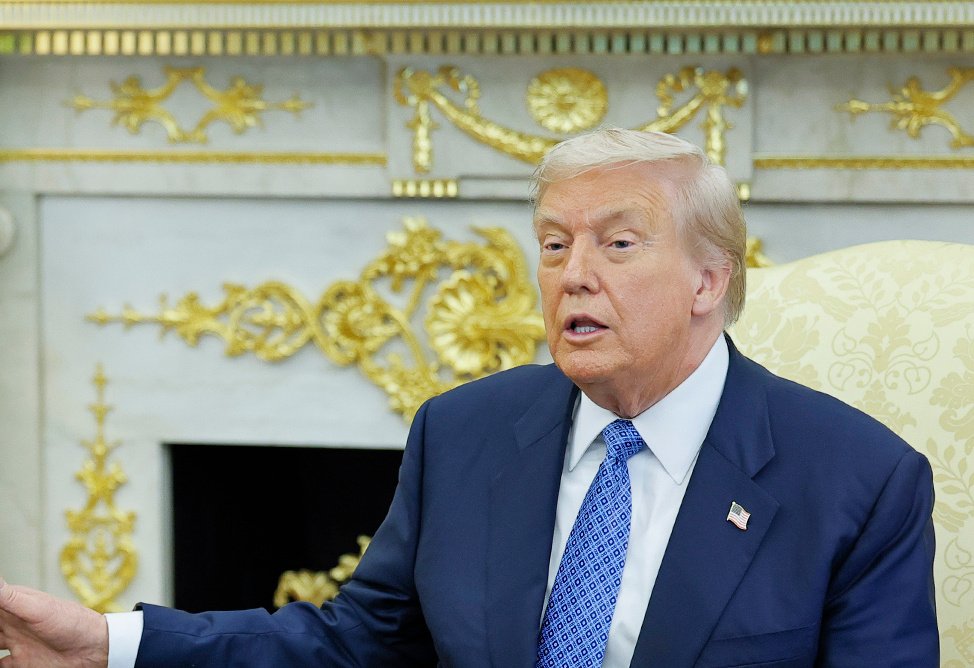
US President Donald Trump stated in his address to Congress that he could not have achieved settlements to the wars without the threat of tariffs, RBK reports.
YEREVAN, February 25. /ARKA/. US President Donald Trump stated in his address to Congress that he could not have achieved settlements to the wars without the threat of tariffs, RBK reports.
The White House chief called the Supreme Court's decision to invalidate some of the tariffs he imposed "unfortunate." At the same time, he said, "almost all" countries and corporations want to preserve existing trade deals, knowing that new trade agreements could be "much worse."
Therefore, these "country-saving" and "peace-preserving" measures will remain in place "based on fully approved and tested alternative legal norms," the US president said.
"They have long been tested in practice; they are a little more complex, but probably even better. This will lead to a solution that will be even stronger than before. No congressional action will be required." "This system has been tested and approved, and I am confident that over time, tariffs paid by foreign countries will, as they have in the past, largely replace the modern income tax system, relieving a huge financial burden on the people I love," Trump said.
Trump has been credited with resolving "eight wars," including the conflicts between Azerbaijan and Armenia, Pakistan and India, Thailand and Cambodia, and the war in Gaza.
In his speech, the American president emphasized that the conflict between India and Pakistan could have escalated into nuclear war (both countries possess nuclear weapons), and that "the Pakistani prime minister would have died if not for my intervention."
On February 20, the US Supreme Court ruled that the tariffs imposed by Trump under the federal emergency management act were illegal. These include "reciprocal" tariffs on goods from China, Canada, and Mexico, justified by the need to combat fentanyl smuggling into the United States, and "secondary" tariffs against India, imposed in response to its purchases of Russian oil.
In response, Trump signed an executive order imposing an additional 10% tariff "on all countries." The tariff took effect on February 24 and will remain in effect for 150 days. The US president has also decided to raise the rate to 15%, but, as NBC News reported, the increase will occur later.
The White House chief called the Supreme Court's decision to invalidate some of the tariffs he imposed "unfortunate." At the same time, he said, "almost all" countries and corporations want to preserve existing trade deals, knowing that new trade agreements could be "much worse."
Therefore, these "country-saving" and "peace-preserving" measures will remain in place "based on fully approved and tested alternative legal norms," the US president said.
"They have long been tested in practice; they are a little more complex, but probably even better. This will lead to a solution that will be even stronger than before. No congressional action will be required." "This system has been tested and approved, and I am confident that over time, tariffs paid by foreign countries will, as they have in the past, largely replace the modern income tax system, relieving a huge financial burden on the people I love," Trump said.
Trump has been credited with resolving "eight wars," including the conflicts between Azerbaijan and Armenia, Pakistan and India, Thailand and Cambodia, and the war in Gaza.
In his speech, the American president emphasized that the conflict between India and Pakistan could have escalated into nuclear war (both countries possess nuclear weapons), and that "the Pakistani prime minister would have died if not for my intervention."
On February 20, the US Supreme Court ruled that the tariffs imposed by Trump under the federal emergency management act were illegal. These include "reciprocal" tariffs on goods from China, Canada, and Mexico, justified by the need to combat fentanyl smuggling into the United States, and "secondary" tariffs against India, imposed in response to its purchases of Russian oil.
In response, Trump signed an executive order imposing an additional 10% tariff "on all countries." The tariff took effect on February 24 and will remain in effect for 150 days. The US president has also decided to raise the rate to 15%, but, as NBC News reported, the increase will occur later.