

Pashinyan: Importance of taxes for state is insufficiently understood in Armenia
26.12.2025,
19:25
The tax system and state revenues are among the most undervalued institutions in Armenia, stated Prime Minister Nikol Pashinyan.
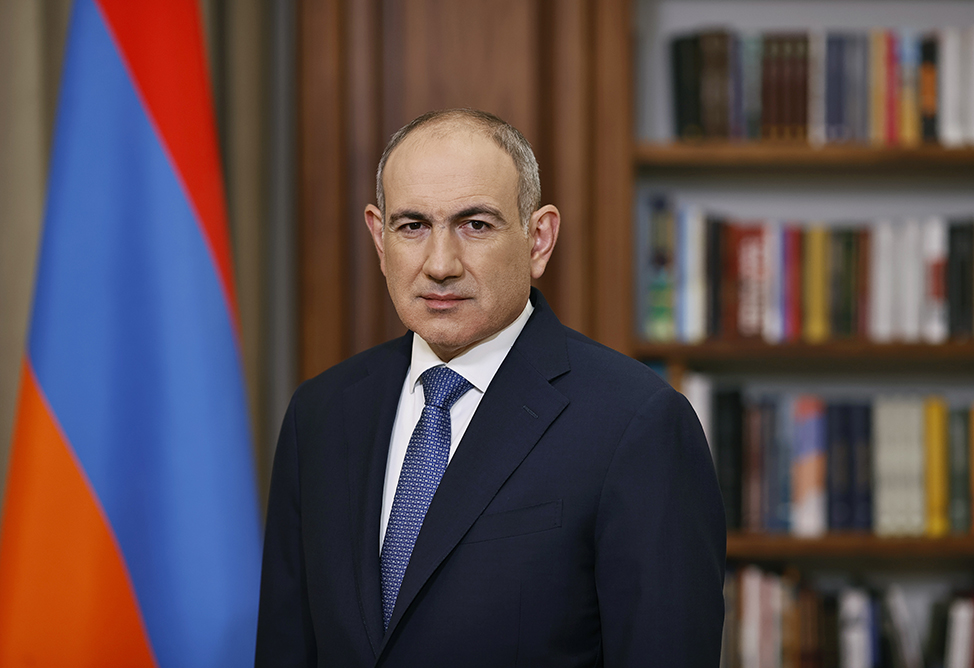
YEREVAN, December 26. /ARKA/. The tax system and state revenues are among the most undervalued institutions in Armenia, stated Prime Minister Nikol Pashinyan.
"However, state budget revenues and the tax system are of primary importance, since without a budget, there is no state. I think we are insufficiently aware of the impossibility of a state's existence without a tax system, and the system of taxes and state revenue collection is one of the pillars of any state," Pashinyan said at a meeting with the leadership and staff of the State Revenue Committee (SRC).
He noted that ensuring the country's security, developing education and healthcare, and building roads directly depend on state budget revenues and the amount of expenditure it generates. As a clear example of the use of budget funds, the Prime Minister pointed to the universal health insurance system, scheduled to launch in 2026.
"I believe that beyond the visible layers—the State Revenue Committee, taxes, the law, and the rule of law—we must also address deeper layers so that people develop a proper understanding. Today, 50,000–60,000 families in Armenia are purchasing housing in new buildings, and this is largely due to state budget revenues, including income tax refunds (for mortgage repayments—ed.)," Pashinyan noted.
The Prime Minister believes that tax collection is one of the key indicators of a state's capacity.
Speaking about the state of the economy, he noted that since the 2018 revolution, it has grown by approximately 50%, but significant work remains to be done to improve tax administration and reduce the shadow economy.
Referring to the new labeling system, Pashinyan emphasized that its goal is to ensure the traceability of goods and increase trust in the State Revenue Committee.
"The use of these 'soft instruments' will transform the State Revenue Committee's work, and in the future, the Committee will become a body for economic entities that constantly helps them conduct their activities within the legal framework," the Prime Minister noted.
"However, state budget revenues and the tax system are of primary importance, since without a budget, there is no state. I think we are insufficiently aware of the impossibility of a state's existence without a tax system, and the system of taxes and state revenue collection is one of the pillars of any state," Pashinyan said at a meeting with the leadership and staff of the State Revenue Committee (SRC).
He noted that ensuring the country's security, developing education and healthcare, and building roads directly depend on state budget revenues and the amount of expenditure it generates. As a clear example of the use of budget funds, the Prime Minister pointed to the universal health insurance system, scheduled to launch in 2026.
"I believe that beyond the visible layers—the State Revenue Committee, taxes, the law, and the rule of law—we must also address deeper layers so that people develop a proper understanding. Today, 50,000–60,000 families in Armenia are purchasing housing in new buildings, and this is largely due to state budget revenues, including income tax refunds (for mortgage repayments—ed.)," Pashinyan noted.
The Prime Minister believes that tax collection is one of the key indicators of a state's capacity.
Speaking about the state of the economy, he noted that since the 2018 revolution, it has grown by approximately 50%, but significant work remains to be done to improve tax administration and reduce the shadow economy.
Referring to the new labeling system, Pashinyan emphasized that its goal is to ensure the traceability of goods and increase trust in the State Revenue Committee.
"The use of these 'soft instruments' will transform the State Revenue Committee's work, and in the future, the Committee will become a body for economic entities that constantly helps them conduct their activities within the legal framework," the Prime Minister noted.