

Lack of money is the biggest problem of Armenia, analyst says
26.06.2017,
16:03
The Armenian government is facing extremely serious tasks, the director of the Caucasus Institute in Yerevan, Alexander Iskandaryan, said on Monday.
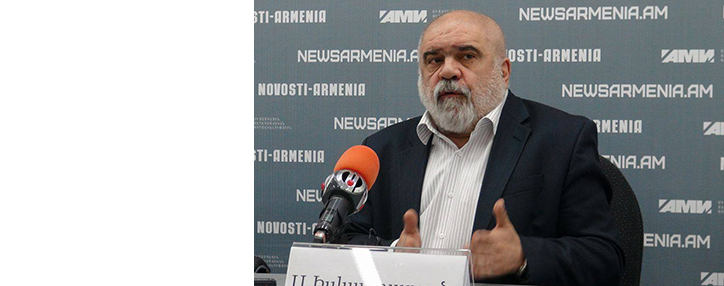
YEREVAN, June 26. /ARKA/. The Armenian government is facing extremely serious tasks, the director of the Caucasus Institute in Yerevan, Alexander Iskandaryan, said on Monday. As he said, there is a money problem in the world, and the situation with cheap and long-term loans is even worse.
"Therefore, the biggest challenge for Armenia is bringing investments and the main problem, contrary to what journalists write, is the lack of money," he told a news conference. In his opinion, it is difficult to attract investments to the country, because Armenia is small and landlocked with a small and poor market.
According to Armenian finance minister Vardan Aramyan, the country’s overall public debt in 2016 amounted to about $5.9 billion. Nonetheless, Iskandaryan is optimistic about the potential economic results of 2017
"Prospects for growth are very decent, they will be probably even higher than the authorities expect," Iskandaryan claimed.
According to the National Statistical Service, net foreign investment in Armenia’s real sector of the economy in 2016 declined to 81.6 billion drams from 118.4 billion drams in 2015. The inflow of foreign direct investment (FDI) in 2016 amounted to about 62.6 billion drams from 69.4 billion drams in 2015. The largest investments for the reporting period came from Luxembourg, Cyprus and the United Kingdom.
Under the government’s plan of actions for 2017-2022, approved by the parliament on June 22, the government will ensure that the economy grows at an average annual rate of around 5 percent for the next five years. The growth is expected to cut Armenia's poverty rate, standing now 30 percent, by 12 percentage points. It is also expected to increase the share of exports in Armenia's GDP to 40% from current 16%. -0-
"Therefore, the biggest challenge for Armenia is bringing investments and the main problem, contrary to what journalists write, is the lack of money," he told a news conference. In his opinion, it is difficult to attract investments to the country, because Armenia is small and landlocked with a small and poor market.
According to Armenian finance minister Vardan Aramyan, the country’s overall public debt in 2016 amounted to about $5.9 billion. Nonetheless, Iskandaryan is optimistic about the potential economic results of 2017
"Prospects for growth are very decent, they will be probably even higher than the authorities expect," Iskandaryan claimed.
According to the National Statistical Service, net foreign investment in Armenia’s real sector of the economy in 2016 declined to 81.6 billion drams from 118.4 billion drams in 2015. The inflow of foreign direct investment (FDI) in 2016 amounted to about 62.6 billion drams from 69.4 billion drams in 2015. The largest investments for the reporting period came from Luxembourg, Cyprus and the United Kingdom.
Under the government’s plan of actions for 2017-2022, approved by the parliament on June 22, the government will ensure that the economy grows at an average annual rate of around 5 percent for the next five years. The growth is expected to cut Armenia's poverty rate, standing now 30 percent, by 12 percentage points. It is also expected to increase the share of exports in Armenia's GDP to 40% from current 16%. -0-