

Implementation of reforms to improve business environment and labor market could boost growth, says IMF Resident Representative in Armenia
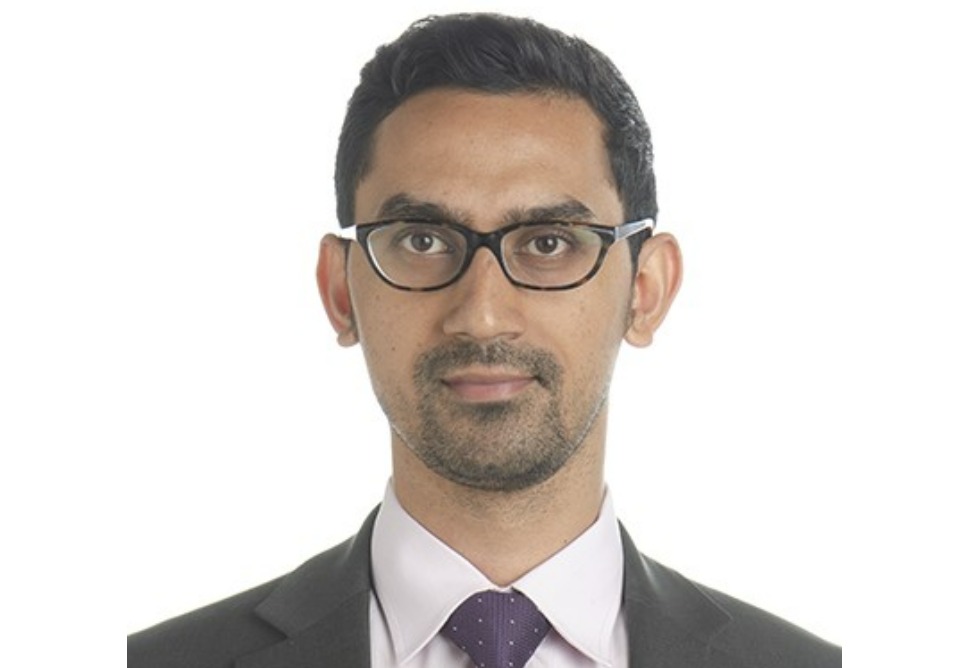
YEREVAN, December 22. /ARКА/. In an interview with the ARKA news agency, Mr. Umang Rawat, the IMF Resident Representative in Armenia, discusses the significant events of the outgoing year that have greatly affected the country's economy and offers his insights on what lies ahead.
Q. Mr. Rawat, the growth outlook has been revised up by IMF in its latest report – what do you see as the key factors underlying the revision? How do you see longer term outlook for potential growth?
A. We see a positive outlook for growth. Thanks to the authorities’ agile policies and inflows of labor and capital, real GDP grew on average by almost 9 percent annually over the past three years, despite a series of shocks amid an uncertain global environment. This year, growth is moderating to a more sustainable level, with the latest IMF report projecting growth at 5 percent in 2025. Looking ahead, in both 2026 and 2027 we forecast somewhat higher growth of around 5½ percent, mainly reflecting the ramping up of production at a new large gold mine.
Over the longer term we believe Armenia’s growth potential is about 5 percent per year. This is somewhat higher than in our previous analyses, reflecting structural developments that contribute to higher growth, such as the implementation of economic reforms supported by successive IMF programs, the immigration of a sizable community of highly skilled workers from Russia, the integration of a large number of refugees into the economy and steps towards implementing the peace agenda.
Q. What do you see as the key risks affecting the outlook; what are the opportunities for Armenia, particularly with a more positive geopolitical environment?
A. Of course any outlook is subject to risk and uncertainty. On the downside, we see the risk of a reduction in global trade and investment leading to slower growth in important trading partners, which would reduce demand for Armenia’s exports. In addition, renewed regional tensions and geopolitical shifts could lead to volatility in the exchange rate, potentially adversely affecting consumption, trade, and the housing market.
On the upside, rapid implementation of the peace agreement with Azerbaijan and normalization of trade relations with neighboring countries could improve regional cooperation. Together with the construction of transit rail and road connections in southern Armenia as well as restoration of the Gyumri-Kars railway connection these projects could support higher economic growth in Armenia through reduced logistics costs and increased trade. Faster-than-anticipated implementation of reforms to improve the business environment and labor market could also boost growth, particularly over the medium term.
Q. What were the key areas of reform under the recently completed 2022-25 IMF program ; how was the reform implementation from Armenian government; what do you see as the likely longer-term impact?
A. We have seen strong performance under the recently completed IMF program. Even though the economy was hit by significant external shocks, the Armenian authorities maintained fiscal discipline and kept government debt at a sustainable level. They also quickly tackled inflationary pressures following the war in Ukraine. At the same time, the authorities increased the economy’s resilience against future shocks by increasing international reserves and strengthening Armenia’s banking system. They also advanced measures to create more jobs and businesses.
These milestones were supported by sound policies and institutional reforms. On the fiscal side, steps were taken to modernize tax collection and increase tax revenues in order to be able to spend more money on priority areas including national security, social programs and investment in infrastructure. At the same time, budget planning and execution were improved to allow better medium-term planning. On the monetary side, the Central Bank of Armenia (CBA) adopted a risk-based approach to guide its policy decisions, enhanced its ability to forecast inflation, and increased the transparency of its monetary policy decisions. One can for instance find all relevant materials that led to recent policy rate decisions on the CBA website. The Central Bank has also required banks to increase their financial buffers to weather negative economic and financial shocks and has been conducting regular stress-tests to monitor risks. Lastly, the government established strategies to increase labor force participation and remove bottlenecks to export diversification, while advancing legal reforms to facilitate business creation and development.
Taken together, we believe these reforms will increase investment, employment, and productivity that over the medium term generates higher and more sustainable and inclusive growth.
Q. Looking ahead to the new IMF program that covers 2025-28, how can the government create more fiscal space to be able to finance the growing spending needs; How should it go about prioritizing expenditure planning and budgeting?
A. Let me start by saying that we see the government’s current fiscal policy as being supportive of meeting priority spending needs, while preserving debt sustainability. The 2026 budget accommodates spending for refugee support, health, and public investment. At the same time, the budget deficit is smaller than in 2025, which we see as a first step toward somewhat lowering government debt over the medium term.
Maintaining room to spend money on social and economic priorities in the future will require additional revenue. Decisive reforms to expand the tax base, strengthen tax compliance, and reduce tax exemptions thus remain critical. An important ingredient of such reforms should be reducing tax exemptions, for instance those on electric vehicles that currently go mainly to the purchases of expensive luxury vehicles. We feel that instead any support to greening the fleet of vehicle in Armenia should be more targeted, for instance through a rebate program for small and midsized EVs and excludes the most expensive cars. The government’s policy to gradually limit mortgage tax exemptions is another example in the direction of limiting tax exemptions. More broadly, lowering the VAT registration threshold, which at AMD 115 million is high relative to comparators, remains a priority. Further strengthening the ability of the tax authority to collect taxes is also important in this regard, for example by improving the tax payment compliance.
To align spending with priority needs, it will be key to improve budget planning and expenditure management. The authorities have already taken important steps in this regard, for instance, by introducing a three-year budget planning horizon which allows for better planning and implementation of investment, e.g., in infrastructure. In turn, new schools, roads and other infrastructure stimulates the economy and hence makes the country and its citizens richer. Building capacity, especially in line ministries, to align their medium-term strategic priorities with the three-year budget would further strengthen medium-term planning. Finally, ongoing reforms in the Public Investment management framework are essential to improve execution and efficiency of public investment.
Q. How do you see the CBA new risk-based approach to monetary policy? What do you see as the main challenge in there?
A. Over the last years we have seen that the CBA has taken timely and effective actions to maintain price stability and strengthen its monetary policy framework. The CBA’s risk-based approach to monetary policy, centered on a prudent risk management approach and a high degree of transparency, has provided it with a solid foundation to lower its inflation target to 3 percent.
Still, some challenges persist. In Armenia, monetary transmission – the way in which central bank interest rate decisions transmit to bank loan and deposit rates and hence influence the lending and saving decisions of consumers and businesses – remains constrained by dollarization and shallow local capital markets. It is thus important to develop Armenian dram capital markets, and the CBA is advancing several initiatives in this regard.
Q. How would you assess the stability of the banking system? What are the key reform priorities under the new IMF program?
A. Our latest report indicates that we see the banking system as well-capitalized and liquid. This is in line with CBA stress tests that indicate that the banking system has enough capital to withstand a severe shock. Still, it is important that the CBA remains vigilant. For example, while some growth in bank lending is a healthy sign of favorable economic developments, excessive credit growth in some segments of the credit market can increase risks, for instance of borrowers getting into problems repaying their loans when the economic cycle turns. For these reasons, it is important that the CBA stands ready to deploy its regulatory and supervisory powers to ensure healthy and sustainable credit growth that does not threaten financial or economic stability.
Looking ahead, under the new IMF program we plan to assist the CBA in its efforts to strengthen supervision of the financial system and upgrading the payment system, including introducing regulation of stablecoin operations in line with the recently adopted Law on Crypto Assets. Key reforms entail legislative amendments to support the adoption of risk-based supervision, legislation to allow the central bank to intervene early in case of a troubled bank, and the adoption of a new bank resolution law that equips the authorities with the tools to preserve financial stability. In addition, adopting legislation to modernize the payment infrastructure and issuing stablecoin regulations would enhance the resilience and integrity of payment systems and help protect users.
Q. What do you see as the key structural bottlenecks that Armenia faces for improving business environment and how does new IMF program help address them?
A. While we have seen important improvements in the business environment over the last few years, obstacles remain. For example, the private sector remains constrained by a complex legal framework and the lack of digital government services. In addition, weak enforcement of property and contract rights as well as lingering governance concerns continue to deter investment, while alignment with international product quality standards to facilitate exports is lagging. Moreover, the informal economy remains large, making it harder for formal businesses to compete. Finally, scarcity of human capital and skills mismatches is another area of concern.
Tackling these bottlenecks is critical to stimulate the development and growth of private business and modernize the economy to support higher sustainable growth. The government is very well aware of these challenges and has developed strategies to boost labor force participation and employment and to support export diversification. Also, a new corporate governance code was adopted in 2024 and amendments to insolvency legislation were submitted to Parliament recently to enhance corporate transparency, strengthen creditor rights and improve the overall business environment. These efforts need to continue and be consistently implemented.
Lastly, I would also like to mention the authorities’ efforts in improving national statistics. We agree that measuring the state of the economy and the impact of reforms requires high quality reliable and timely statistics. They are essential to support both public and private decision making. We have therefore agreed with the authorities to take up national statistics as a focus area under the new IMF program.
Q. Thank you for these elaborations on the focus of the new IMF program. As the last question in this interview, would you have any final thoughts on how you see cooperation between the Armenian authorities and the IMF under the new IMF program?
A. The prospects for fruitful cooperation over the next three years under the new program remain excellent. In recent years, the Armenian authorities have demonstrated a high level of commitment and capacity to adjust to shocks and advance key reforms. The new program is very much in line with our past engagements. It supports the authorities’ efforts to maintain macroeconomic stability and advance their economic reform agenda, with the ultimate goal to improve the economic wellbeing of all Armenian residents. The program provides a strong signal of the authorities’ policy commitments in this regard. In addition, it strengthens Armenia’s resilience by providing insurance against shocks and is likely to help catalyze financial support from other international sources. -0-