


Galuzin: Rosatom is ready to begin construction of a nuclear power plant in Armenia
10.02.2026,
11:05
The construction of a nuclear power plant occupies a high place on the agenda of Moscow-Yerevan relations and is regularly discussed at various levels, said Russian Deputy Foreign Minister Mikhail Galuzin.
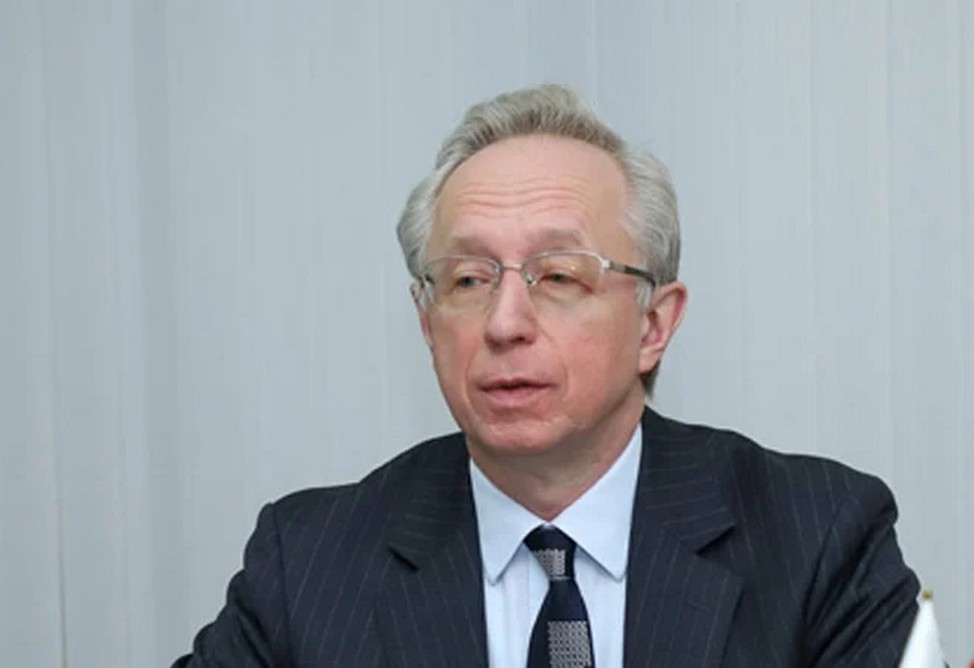
YEREVAN, February 10. /ARKA/. The construction of a nuclear power plant occupies a high place on the agenda of Moscow-Yerevan relations and is regularly discussed at various levels, said Russian Deputy Foreign Minister Mikhail Galuzin.
"We have submitted a package of detailed proposals to the Armenian side. Rosatom is ready to begin implementing the project as soon as possible, naturally taking into account the wishes of our Armenian friends. There are no viable alternatives in terms of the availability of reliable, proven technologies, as well as attractive financial parameters, including taking into account construction, subsequent operation, and the need for training and retraining of specialists," the diplomat emphasized in an interview with Izvestia.
According to Galuzin, Moscow intends to continue to act as the guarantor of Armenia's energy security. "For our part, we intend to continue to responsibly fulfill our role as the guarantor of Armenia's energy security and contribute to the development of the republic's nuclear industry. As the experience of some European countries, including such giants as Germany, shows, abandoning nuclear energy could be costly for the national economy," he added.
Russia and Armenia have extensive experience collaborating in the peaceful use of nuclear energy, Galuzin noted.
"Our nuclear scientists come from the same Soviet school and understand each other well. Our specialists are currently carrying out a comprehensive program to ensure the plant can operate stably and efficiently until 2036. We are confident that, with Yerevan's active support, all measures will be completed on time," the Russian Deputy Foreign Minister said.
On Rosatom's proposal
Earlier, at a meeting with Armenian National Assembly Speaker Alen Simonyan, Rosatom Director General Alexey Likhachev proposed comprehensive cooperation in the field of nuclear energy to Armenia.
Cooperation may include the construction of large, medium, or small-capacity nuclear power plants, as well as non-nuclear projects, Rosatom clarified.
On the selection of a nuclear power plant model
David Khudatyan, Minister of Territorial Administration and Infrastructure of the Republic of Armenia, stated that the Armenian authorities have decided that the new nuclear power plant will be modular, but the final choice will be made in 2026–2027.
"We continue to explore proposals, including with partners from Russia, the United States, China, South Korea, and France," Khudatyan said.
A preliminary feasibility study for the construction of a new 1,200 MW unit, developed by the Rosatom state corporation, is already under consideration by the Armenian side.
About the Armenian Nuclear Power Plant
The Armenian Nuclear Power Plant, the only nuclear power plant in the South Caucasus region, is located near the town of Metsamor, approximately 30 km west of Yerevan. The plant is one of the country's key sources of electricity, providing up to 40% of its total generation.
The operating life of the existing power unit has been extended until 2026, and work is underway to extend it for another 10 years.
"We have submitted a package of detailed proposals to the Armenian side. Rosatom is ready to begin implementing the project as soon as possible, naturally taking into account the wishes of our Armenian friends. There are no viable alternatives in terms of the availability of reliable, proven technologies, as well as attractive financial parameters, including taking into account construction, subsequent operation, and the need for training and retraining of specialists," the diplomat emphasized in an interview with Izvestia.
According to Galuzin, Moscow intends to continue to act as the guarantor of Armenia's energy security. "For our part, we intend to continue to responsibly fulfill our role as the guarantor of Armenia's energy security and contribute to the development of the republic's nuclear industry. As the experience of some European countries, including such giants as Germany, shows, abandoning nuclear energy could be costly for the national economy," he added.
Russia and Armenia have extensive experience collaborating in the peaceful use of nuclear energy, Galuzin noted.
"Our nuclear scientists come from the same Soviet school and understand each other well. Our specialists are currently carrying out a comprehensive program to ensure the plant can operate stably and efficiently until 2036. We are confident that, with Yerevan's active support, all measures will be completed on time," the Russian Deputy Foreign Minister said.
On Rosatom's proposal
Earlier, at a meeting with Armenian National Assembly Speaker Alen Simonyan, Rosatom Director General Alexey Likhachev proposed comprehensive cooperation in the field of nuclear energy to Armenia.
Cooperation may include the construction of large, medium, or small-capacity nuclear power plants, as well as non-nuclear projects, Rosatom clarified.
On the selection of a nuclear power plant model
David Khudatyan, Minister of Territorial Administration and Infrastructure of the Republic of Armenia, stated that the Armenian authorities have decided that the new nuclear power plant will be modular, but the final choice will be made in 2026–2027.
"We continue to explore proposals, including with partners from Russia, the United States, China, South Korea, and France," Khudatyan said.
A preliminary feasibility study for the construction of a new 1,200 MW unit, developed by the Rosatom state corporation, is already under consideration by the Armenian side.
About the Armenian Nuclear Power Plant
The Armenian Nuclear Power Plant, the only nuclear power plant in the South Caucasus region, is located near the town of Metsamor, approximately 30 km west of Yerevan. The plant is one of the country's key sources of electricity, providing up to 40% of its total generation.
The operating life of the existing power unit has been extended until 2026, and work is underway to extend it for another 10 years.